

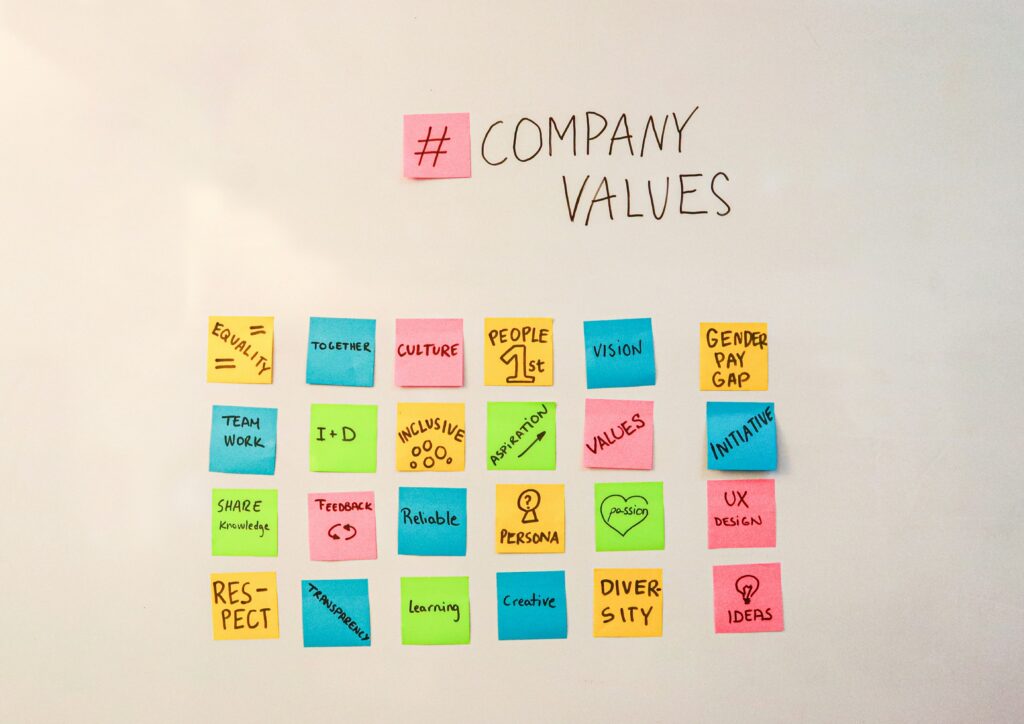
In an era where conscious consumerism is on the rise, sustainability has evolved from a corporate buzzword into a fundamental brand expectation. Today’s digital consumers don’t just buy products, they buy into the values behind them. This shift presents both a challenge and an opportunity for marketers: how to authentically communicate sustainability in a way that builds trust and drives loyalty.
The Rise of Conscious Consumers
The modern buyer is informed, socially aware, and vocal. According to recent studies, over 70% of consumers prefer to purchase from brands that demonstrate environmental and social responsibility. In the digital marketing landscape, this means transparency and authenticity are no longer optional, they’re essential.
Consumers now use digital platforms to research brands, scrutinize sustainability claims, and share their opinions online. A single misleading statement can lead to accusations of greenwashing, damaging brand credibility in seconds.
Why Sustainability Belongs in Digital Strategy
Sustainability marketing isn’t just a PR tactic—it’s a strategic pillar that can strengthen every aspect of your digital presence. From social media storytelling to SEO and content marketing, embedding sustainability into your strategy creates alignment between brand purpose and customer values.
Here’s how sustainability can elevate your digital marketing efforts:
- Improved brand trust: Transparent communication about sustainable practices builds credibility.
- Higher engagement: Storytelling around impact initiatives resonates emotionally with audiences.
- Better SEO performance: Sustainability-related content attracts organic traffic from conscious consumers searching for ethical alternatives.
- Stronger brand loyalty: Customers are more likely to remain loyal to brands that reflect their personal values.
Digital Channels for Sustainable Storytelling
Different platforms offer unique opportunities to highlight sustainability efforts:
- Social Media: Use Instagram and TikTok to showcase behind-the-scenes initiatives, employee involvement, and real-world environmental impact.
- Email Marketing: Share progress updates, milestones, and sustainability reports to reinforce transparency.
- Content Marketing: Publish blog posts or videos explaining how your brand sources materials, reduces waste, or partners with eco-friendly suppliers.
- Paid Campaigns: Optimize ad copy to highlight certifications or environmental achievements, connecting with green-minded audiences.
Avoiding the Greenwashing Trap
One of the biggest risks in sustainability marketing is overclaiming. Today’s audiences can quickly identify vague or unsubstantiated claims. To stay credible:
- Be specific—share measurable outcomes, not just promises.
- Use third-party certifications when possible.
- Acknowledge ongoing challenges instead of claiming perfection.
Transparency builds long-term trust, while overstatement leads to skepticism and backlash.
Aligning Purpose with Performance
Digital marketers play a critical role in bridging brand purpose and measurable outcomes. Analytics tools can track engagement with sustainability-related content, revealing what stories and initiatives resonate most with audiences. Over time, this data can shape more authentic campaigns and better business decisions.
Final Thoughts
Sustainability in the digital age is more than a marketing trend, it’s a movement reshaping how consumers connect with brands. The companies that succeed will be those that embed sustainability into their DNA and communicate it with honesty, creativity, and purpose.
In the end, the message is clear: sustainable marketing isn’t just good for the planet, it’s good for business.