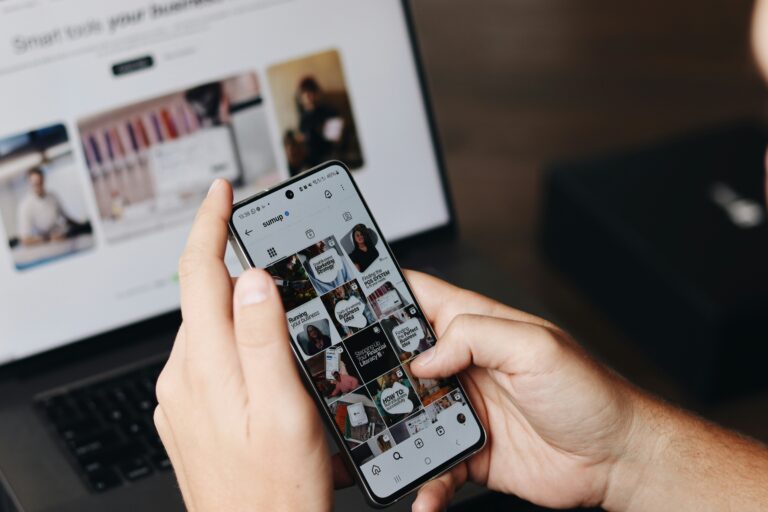


In 2026, social commerce isn’t just a buzzword, it’s a core revenue channel. Social platforms have evolved into full-funnel shopping ecosystems where discovery, engagement, and purchase happen in one seamless experience. According to digital marketing forecasts, social commerce will continue its rise as content, community, and commerce merge in ways brands have never seen before. Ovative Group+1
But with so many brands racing to sell “in the feed,” how can you avoid turning your audience off with hard-sell tactics? The key lies in thoughtful integration, pairing value-driven content with shoppable experiences.
1. The Blending of Discovery and Purchase
By 2026, social platforms like TikTok, Instagram, and Pinterest won’t just be places to see products, they’ll be where people buy them without ever leaving the app. Predictions show that interactive, shoppable content will drive conversions more efficiently than traditional ads, blurring the line between entertainment and commerce. Adobe
This means that every post, video, or story is no longer just an impression, it’s a potential conversion touchpoint.
2. Provide Value Before You Sell
The brands that thrive are those that educate, entertain, and resonate before they push a checkout button.
How to do this without feeling salesy:
-
Content-First Strategy: Offer value in every post, such as how-to guides, tips, trends, behind-the-scenes insights, and use product links as natural next steps rather than calls to action.
-
Story-Led Reels & Lives: Short-form video remains dominant and is the perfect place to embed product demos or quick tutorials that feel engaging, not promotional. Adobe
-
Audience-Driven Commerce: Invite your community to co-create content, like polls or UGC contests and let buyers feel part of the brand journey.
These formats make commerce feel helpful, not intrusive.
3. Live Shopping Evolves Into Interactive Entertainment
Live commerce, where products are sold during live streams with real-time audience interaction, is expected to gain traction globally in 2026. This format makes shopping feel social, communal, and interactive rather than transactional. Loboc Digital Marketing
Best practices include:
-
Use charismatic hosts who can blend product education with entertainment.
-
Plan interactive moments like Q&A sessions, giveaways, and instant polls.
-
Make purchasing effortless with in-app checkout links.
These elements help viewers feel present by participating instead of observing.
4. Micro-Influencers and Community Commerce
While influencer marketing isn’t new, the trend in 2026 is micro-influencers and community-driven commerce. Smaller creators often boast higher engagement and stronger trust among niche audiences making their endorsements far more valuable than broad celebrity placements. Ovative Group
Brands can lean into this by:
-
Creating co-created content partnerships where influencers help tell real, authentic stories.
-
Building brand ambassador programs that reward long-term relationships and ongoing advocacy.
-
Highlighting real customer experiences and testimonials as part of shoppable posts.
In this model, audience trust drives commerce more than broadcast messaging.
5. Personalization Meets Privacy
2026 will see a dual emphasis on personalized social commerce experiences, powered by AI, and privacy-centric strategies. First-party data and user consent will shape how brands tailor product recommendations and offers on social platforms. This means personalized shopping experiences that feel relevant and not creepy. Medium
Use data ethically and creatively to:
-
Recommend products based on engagement history
-
Serve personalized offers through messaging apps or channels
-
Craft audience segments that reflect real behavior, not assumptions
Conclusion: Commerce Should Feel Like Community
Social commerce in 2026 isn’t about shouting “Buy now!” it’s about cultivating relationships that naturally lead to purchasing. When brands prioritize value, community, and seamless experiences, they build trust first and drive revenue second.
Your mantra for 2026: Serve first, sell second.