
In digital marketing, we love measurable data.
We track clicks, impressions, conversions, bounce rates, engagement percentages, and customer journeys with incredible precision. But there’s one major source of traffic and consumer behavior that often goes unnoticed in analytics dashboards and it may be driving more conversions than you realize.
It’s called Dark Social.
Despite the mysterious name, dark social isn’t anything unethical or dangerous. It simply refers to website traffic and content sharing that happens through private channels that traditional analytics tools struggle to track.
Think:
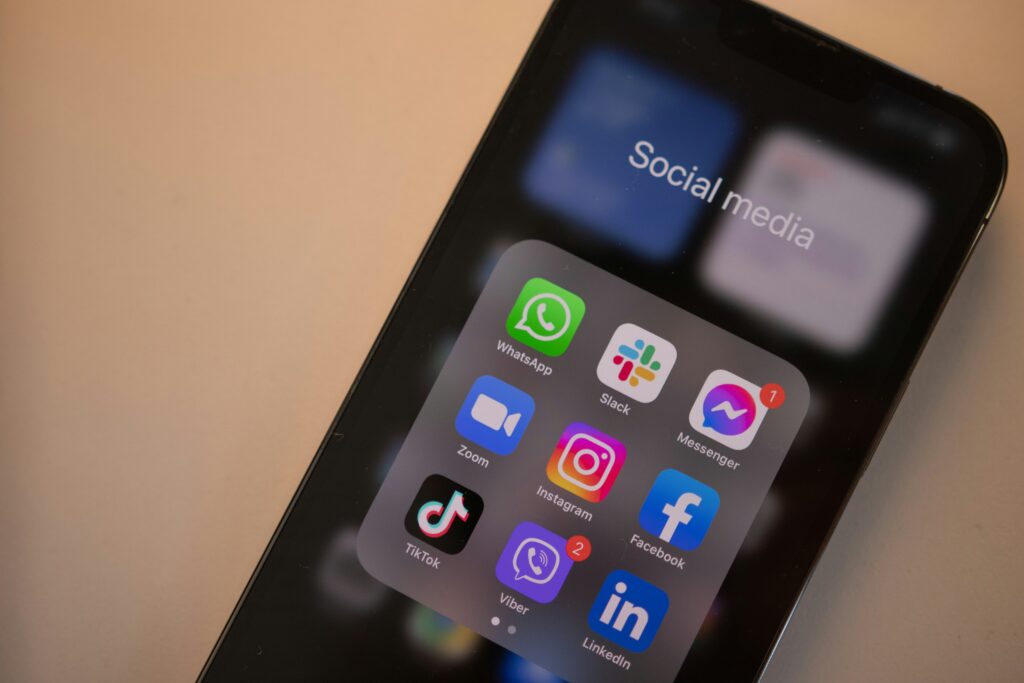
- Text messages
- WhatsApp conversations
- Facebook Messenger
- Slack channels
- Instagram DMs
- LinkedIn messages
- Email forwards
- Private group chats
When someone copies a link to your website and sends it privately to a friend or colleague, analytics platforms often categorize that traffic as “direct traffic” rather than identifying the true source.
And in today’s privacy-focused, community-driven digital landscape, dark social is becoming one of the most influential marketing forces online.
What Exactly Is Dark Social?
The term “dark social” was first coined by journalist Alexis Madrigal in 2012 to describe the invisible sharing that occurs outside public social feeds.
For example:
A user sees your Instagram Reel.
Instead of liking or commenting publicly, they send it to three friends in a private message.
One of those friends visits your website, signs up for your newsletter, and later becomes a customer.
To your analytics platform, that conversion may simply appear as “direct traffic.” But the real source was private social sharing.
That hidden journey is dark social.
And it matters because modern consumers increasingly prefer private digital spaces over public posting.
Why Dark Social Is Growing
Over the last several years, social media behavior has shifted dramatically.
People are becoming more selective about what they share publicly. Public feeds are crowded, curated, and often performative. Meanwhile, private conversations feel more authentic and trustworthy.
Consumers now spend significant time in:
- Group chats
- Private communities
- Discord servers
- Messaging apps
- Niche online communities
- Collaborative workplace platforms
Instead of publicly posting recommendations, users are privately sharing links, videos, memes, products, and articles with people they trust.
And trust is one of the most powerful currencies in digital marketing.
A recommendation from a friend inside a private message often carries more influence than a paid advertisement.
Why Dark Social Matters for Marketers
1. It Influences Purchasing Decisions
Many customer journeys no longer happen entirely in public.
A customer might:
- Discover your brand on TikTok
- Share your website in a group chat
- Discuss your product privately with friends
- Return later through direct traffic
- Convert without ever publicly engaging with your content
If you only measure visible engagement, you may underestimate your most impactful campaigns.
2. It Creates High-Intent Traffic
Dark social traffic is often highly qualified.
Why?
Because people usually share content privately with a specific person for a specific reason.
That means the recipient already has contextual trust before they even click.
A privately shared recommendation often feels personal rather than promotional.
3. Traditional Attribution Models Miss It
One of the biggest frustrations for marketers is attribution.
You may see spikes in direct traffic without understanding why.
In many cases, dark social is responsible.
Without understanding hidden sharing behaviors, marketers can incorrectly evaluate campaign performance and underestimate the value of shareable content.
Signs Your Brand Is Benefiting From Dark Social
You may already be experiencing dark social traffic if you notice:
- Unusually high direct traffic to deep content pages
- Traffic spikes after social campaigns without measurable referral sources
- High engagement but low visible shares
- Strong word-of-mouth growth online
- Customers referencing content shared privately
If users are landing directly on long URLs that are unlikely to be typed manually, dark social is likely involved.
How Brands Can Optimize for Dark Social
Create Highly Shareable Content
People privately share content that feels useful, emotional, entertaining, or insightful.
Some of the most shareable formats include:
- Industry insights
- Educational carousels
- Short-form videos
- Case studies
- Memes
- Controversial opinions
- Data-driven graphics
- Relatable storytelling
The easier your content is to send to someone else, the more dark social momentum you can generate.
Focus on Conversation-Driven Marketing
The future of social media is increasingly conversation-based.
Instead of only asking:
“How do we get likes?”
Brands should also ask:
“Would someone send this privately to a friend?”
That mindset changes content strategy completely.
Content that sparks discussion often performs exceptionally well in private sharing environments.
Use Share-Friendly Formats
Make it easy for users to share your content privately.
Strategies include:
- Adding visible share buttons
- Optimizing mobile experiences
- Creating concise landing page URLs
- Using compelling headlines
- Including quotable insights
- Designing vertical-friendly visuals for messaging apps
The less friction involved, the more likely people are to share.
Leverage Community Marketing
Communities naturally fuel dark social.
Brands that build loyal communities through:
- Discord servers
- Facebook Groups
- LinkedIn communities
- Email newsletters
- Membership programs
- Exclusive content hubs
…often generate stronger private sharing and referral behavior.
When people feel emotionally connected to a brand community, they naturally advocate for it in private conversations.
Improve Attribution Tracking
While dark social can never be measured perfectly, marketers can improve visibility by:
- Using UTM parameters consistently
- Creating shortened branded links
- Monitoring direct traffic patterns
- Using first-party analytics tools
- Asking customers how they discovered your brand
Even small attribution improvements can reveal valuable behavioral trends.
The Future of Marketing Is More Private
For years, marketers focused heavily on public-facing engagement metrics.
But digital behavior is evolving.
Consumers increasingly value:
- Privacy
- Authenticity
- Smaller communities
- Direct communication
- Trusted recommendations
This means the most important conversations about your brand may not happen publicly at all.
And that’s not a bad thing.
In fact, it often signals deeper trust.
The brands that succeed in the next era of digital marketing won’t simply optimize for visibility.
They’ll optimize for shareability, trust, and meaningful conversations.
Final Thoughts
Dark social reminds us that not everything valuable can be perfectly tracked.
Behind every “direct” website visit may be a recommendation, conversation, or trusted share happening quietly in a private digital space.
For marketers, this shift requires a new perspective.
Success is no longer just about going viral publicly.
It’s about creating content so valuable people feel compelled to share it privately.
Because sometimes the most powerful marketing doesn’t happen in the spotlight.
It happens in the group chat.